

Upgrade From Windows 7: Guide To Modern Windows And Office Licenses.
The ending of support for Windows 7 marked more than just the sunset of an operating system; it signified the ending of a whole period of management and licensing for software. For individuals and businesses clinging to `windows 7`, the upgrade path to Windows 11 is not a simple re-installation–it's a migration to a fundamentally different digital paradigm. This new model encompasses everything, from how Windows 11 lizenz purchases are made to how Office operates and how users work. The old system comprised only one-time purchases of software physical discs, separate software suites, has been replaced with cloud-integrated subscriptions, digital licenses and a broader security for the entire ecosystem. To navigate this change, you must understand the ten most important intersections between traditional practices and modern necessities in which decisions regarding your OS directly affect your productivity suite, security posture, and future scalability.
1. The Hardware Gauntlet: Your First step, which is non-negotiable.
Windows 11 hardware specifications (TPM, Secure Boot and the latest CPU) must be considered prior to purchasing Windows 11. Windows 7 machines from the past, especially those made prior to 2017 are likely to fail this test. It's not an attempt to make Microsoft cash-grab, but rather an obligation for security. These security features are the "hardware core of trust", on which third-party protections such as kaspersky premium as well as Windows Defender rely. The attempt to override these rules with non-official ISO modifications creates an unreliable, incompatible system which negates the security benefits of the upgrade, making you at risk than Windows 7.
2. The License Myth of Migration: Your Windows 7 Key is (Mostly) obsolete.
Windows 10 was activated with a Windows 7 Pro Key in the past. The grace period for Windows 10 is gone in the case of Windows 11. Windows 7 OEM licences are not valid for Windows 11 installations if your hardware is outdated. You're starting over. The search for "windows 11 license" is a new purchase. You will need to understand the retail and. OEM landscape.
3. The Office Licensing Revolution.
If you're running Office 2010 and 2013 installed on Windows 7, then you're familiar with a perpetual office lizenz. Office 2021 (the modern equivalent) is a dead product since day one. It gets security updates and updates, but it does not have any new features. Microsoft 365 subscriptions are the only method to increase productivity. This is a major shift that you're not just upgrading Office but also embracing an entirely new cloud identity (Azure Active Directory) with 1TB OneDrive storage and making it possible to collaborate in real-time. Office lizenz should not be purchased every decade instead, it should be considered an ongoing expense, which includes upgrades and services.
4. Security isn't an afterthought A New Approach is required.
Windows 7 users probably used an alternative antivirus program like the older Norton 360 suite. Windows 11 completely changes the environment. Windows Security (Defender), the security tool built-in to Windows 11 is now cloud-integrated and is of the highest quality. Just installing your existing third-party software can cause issues and impact performance. It is a good idea to consider your options prior to changing. Does Defender with its modern security features on the hardware provide adequate protection? Or do you need to purchase a separate suite such as Kaspersky? Your answer will depend on the threat model you are using. But the idea that you have to purchase an antivirus program separately is no more the case.
5. The "Clean Install" Imperative and Data Migration Strategy.
The upgrade in place of Windows 7 is not supported. This can lead to instability. This must be an entirely new installation. This requires a strict data transfer. This is the ideal time to abandon local backups and shift to a cloud-based solution. Microsoft 365 includes OneDrive. Setting up Known Folder Move during setup (to backup Desktop, Documents and Pictures) changes your data migration into a seamless cloud-synthesizing, ongoing process. Data is no longer tied to a PC, but rather becomes more user-centric.
6. The Professional Feature Crossroads : Pro is now the Minimum.
Windows 11 Pro is mandatory if you have previously used Windows 7 Professional as a domain joiner, BitLocker host, or Remote Desktop host. A home key for Windows 11is a fatal error for business or professional use. Home isn't compatible with BitLocker and does not have a Group Policy editor, and is unable to join domains. Windows 11 Pro is only available as a Microsoft 365 Business or Retail license for Windows 7 Pro users. This lets them maintain their professional features and data security.
7. Beware of Grey Market Sirens Calling During the Transition.
The pressure to upgrade as quickly as possible and the sticker-shock associated with new licenses leads many to look for low-cost "windows11 OEM" keys on grey market. This is a catastrophic error when undergoing a transition. The keys you purchase are not trustworthy and can make you a poor foundation when you begin to create an entirely new system. Investing a genuine Retail license or Windows subscription (like Microsoft 365 Business) You'll have peace of mind, 24/7 customer service, and a guarantee upgrade path in the future. A grey market key can cost the user time and data if it's removed.
8. Future-Proofing through the Cloud: The Server Connection.
Windows 7 was likely part of a domain, so the future likely will have a server like Windows 2025. Windows 11 Pro alone is not enough for modern integration. A better understanding of what cals are (Client-Access Licenses) is essential. The cloud solution is Azure Active Directory, included with Microsoft 365 Business plans. After upgrading to Windows 7, it's time to decide. Are you going to invest in on-premise servers, CALs and cloud-based device management (Intune) or change to a subscription-based option? Both choices differ in terms of licensing and costs.
9. Driver Archaeology: The Need for an Modern Hardware Base
Windows 7 thrived on a huge library of drivers from the past. Windows 11 relies on modern drivers that are typically cloud-sourced via Windows Update. For hardware that is specialized (e.g. older scanners, scientific instruments that are proprietary), a Windows 7 machine may be irreplaceable. Upgrade evaluations must include a thorough test for compatibility between hardware. It is often revealed that an upgrade will require new hardware. The most reliable and most practical choice is to purchase a new computer equipped with Windows 11 OEM already installed.
10. A shift in the philosophy of business of ownership to management and access.
The upgrade from Windows 7 to Windows 8 is in essence a philosophical shift. Upgrades from Windows 7 are an intellectual shift. Security models change from an add-on antivirus program to one that integrates hardware protection. Your data is transferred from your local storage to the cloud. Making the shift holistic with legitimate Windows 11 Pro licensing, an Microsoft 365 membership, and taking advantage of the modern security is the only option to make sure that the upgrade is not just a new OS as well as a robust and manageable computing platform for the next decade. Check out the best windows 11 kaufen for blog recommendations including microsoft office 2019, microsoft office 2016, windows server 2016, windows office, microsoft visio software, windows office, windows server 2016 os, windows & office, microsoft visio software, windows server 2016 and more.
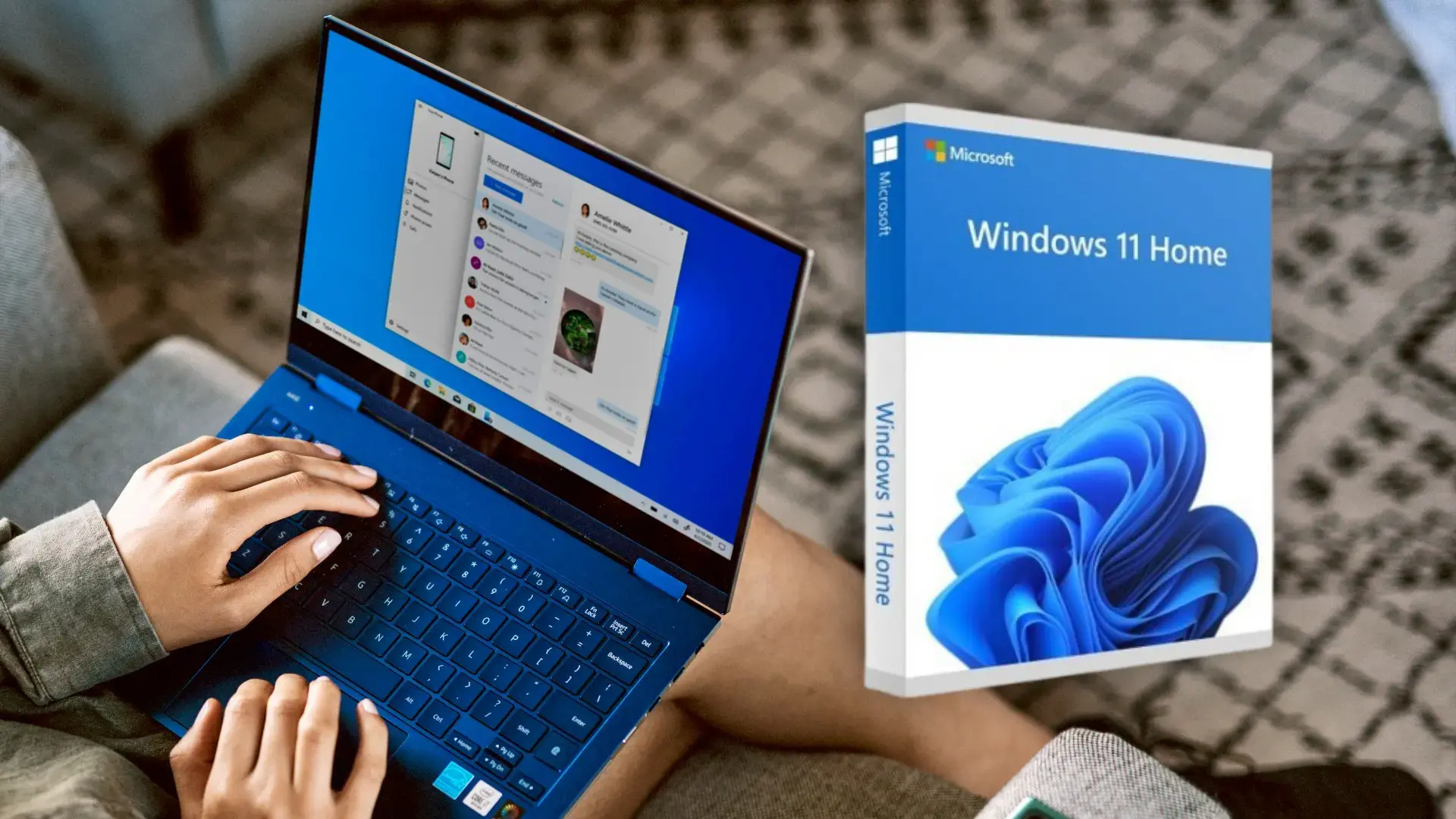
The Actual Cost Of Software – Why Windows Licences And Antiviruses Can Save Money.
In the digital economy the search for short-term savings on software can lead to a long-term financial crisis. When you buy a cheap Windows 11 OEM key on the market, or ignore a powerful antivirus program like Kaspersky Premium, instead of not doing anything then your assessment of value and risk isn't accurate. The price of software, not its cost, is its total Cost of ownership. This is the sum of data breaches, downtimes and compliance fines during the course of its life. The cost of the Windows 11 license as well as security software that is professional-grade are not expenses for businesses that are serious or users. They are crucial infrastructure investments that have a quantifiable ROI. This study reveals 10 cost centers that are hidden and make the "cheap option extremely expensive. The dots connect to OS licensing, to productivity software as well as the server infrastructure.
1. The Grey Market License Is a Liability, not an Asset
If you purchase a Windows 11 license from an unlicensed vendor the responsibility falls on you. Microsoft is able to remove all keys. These are usually volume licenses, MSDN keys or keys that violate terms. Microsoft may remove these keys in large quantities if they violate conditions. These are often MSDN keys that are volume-licensed or have a large number of users. This is much more expensive than the $30 "savings" on the initial key. The license issued by an OEM or Retail store is a predictable asset for the entire lifecycle of the hardware.
2. OS Integrity is an indicator of the security software's effectiveness. software.
Security suites for antivirus like norton360 or kaspersky work at the kernel-level, and require a core operating system that is uncompromised, trusted, and secure. The grey market Windows installation usually utilizes modified system files or activation scripts to avoid verification. These modifications can themselves be classified as malware, causing instability to the security suite or more importantly, they could create backdoors that render antivirus blind. If you pay for a security guard with a high degree of protection (kaspersky), you are keeping him inside a criminally hacked building. The foundation is corrupt so security guards' efficiency is questioned.
3. The Compliance & Audit Time Bomb for businesses.
Software audits are a game of Russian roulette for any business using unlicensed software. A business that is using Windows 2025 and has the appropriate "cals" however, has client PCs running grey-market Windows will be hit with an "true up" bill, which includes the full retail cost of each illegitimate desktop licence and possible penalties. The sudden and unplanned capital expenditure could be several thousand dollars. It will outweigh all savings previously made. The license provides insurance against financial shocks like this.
4. Data Loss: The Ultimate Unbudgeted Cost.
The vulnerability that is not patched is the most common vulnerability used by ransomware to steal data and encrypt files. Windows Updates can be broken or delayed by non-authentic Windows. In the absence of timely security updates the system is at risk. The costs of ransomware attacks such as the ransom payment (which isn't guaranteed to be recovered), the cost of IT forensic services, lost data and the interruption of business, can bring small-scale businesses to the knees. The price of Windows 11 Pro and a premium antivirus subscription is a joke compared to the risk.
5. Productivity Software Instability in a Fake Framework
Installing a legitimate `office licence, regardless of whether it's the perpetual office lizenz` or a Microsoft 365 subscription, on non-authentic Windows installation is like building on sand. Office's update and activation is directly linked to Microsoft's ecosystem. Windows that has been disabled can prevent Office from activating, leading to a lower number of functional banners. It could also trigger cloud sync problems and crashes. If the OS was designed to fail, then the investment in productivity software will be an unnecessary expense. For stable productivity you need an OS that is reliable and trustworthy.
6. The IT Labor Multiplier is a Fracted or unofficial stack.
A computer network that has grey-market keyboards, antivirus software from different vendors with no central management could be a nightmare for IT. Each problem is unsupported and takes a significant amount of time to determine. This is different from a fleet of legitimate Windows 11 Pro licences managed by Intune. These licences are included with Microsoft 365 Business. It also has a centrally-managed security console. This will reduce the time it takes to fix (MTTR) by one-third. The "savings on software licenses" are directly translated into exponentially increased, ongoing costs of labor for your IT staff.
7. The upgrade path dead end and its future cost
The grey market windows 11 home key" (or Pro key) provides no genuine upgrade option. You must purchase a new license if you want to upgrade your hardware, or incorporate it with the new "Windows server 2025" system. This can be more costly. An active Retail License is transferable. A Microsoft 365 subscription includes continuous upgrade rights. The cheap keys entangle you in an endless cycle of repurchasing. However, the legitimate key offers a clear and predictable way forward, and safeguards your original investment.
8. Performance Tax on "Bargain" software and Conflicts
These illicit tools, which are used to activate grey market Windows are able to run background processes that utilize CPU and memory resources and interfere with security and other software tools. The "performance tax" is a slowdown for trading platforms, development environment, and creative suites. The time lost to slower performance–compounded over months and years–represents a significant, hidden cost in lost human productivity. By using a legitimate operating system that is clean it is possible to ensure that your entire hardware is dedicated to the work you do.
9. Professional Reputation, Client Trust and Customer Reputation Eroding
Unlicensed software is a major liability to a company. It's irreparable damage to trust when a partner or customer discovers that you've made a mistake in the software that is the basis of your business. This indicates that you are not concerned about safety, legality and integrity of operation. In the case of competitive bids or due diligence for financing, this could be a reason to disqualify. The cost is lost contracts, partnerships that are not re-established, and a damaged brand, a price infinitely higher than the price of a software license.
10. The value of a holistic ecosystem over. an accumulation of "savings".
The most cost-effective approach is a comprehensive, genuine ecosystem. Microsoft 365 Business Premium offers an entire business ecosystem: Windows 11 Pro (via an upgrade right) and the most recent Office applications, 1TB of secure cloud storage as well as business email. It is all offered at a predetermined price per user. This will eliminate the gray market Windows hunt and standalone Office licenses and third-party antivirus since it includes upgraded Defender. TCOs are clear, manageable, secure, and inexpensive. The "savings" by putting together illegitimate components is a myth that disappears when exposed the reality of labor, risk and loss. View the best windows server 2025 for blog advice including visio download, microsoft office with key, microsoft visio, microsoft office 2019, microsoft visio, microsoft ms office 2016, windows server software, microsoft visio, office 365 key, visio software download and more.
